The Arctic Footsteps field guide

Before you travel north.

Weather, daylight, clothing and practical advice for a comfortable, prepared and respectful journey to Svalbard.

Life at 78° North

Three extraordinary chapters of light.

Svalbard is a Norwegian archipelago between mainland Norway and the North Pole. Longyearbyen is the main settlement and our starting point for adventures. Daylight changes dramatically through the year, so the same mountain can feel like a different world from one season to the next.

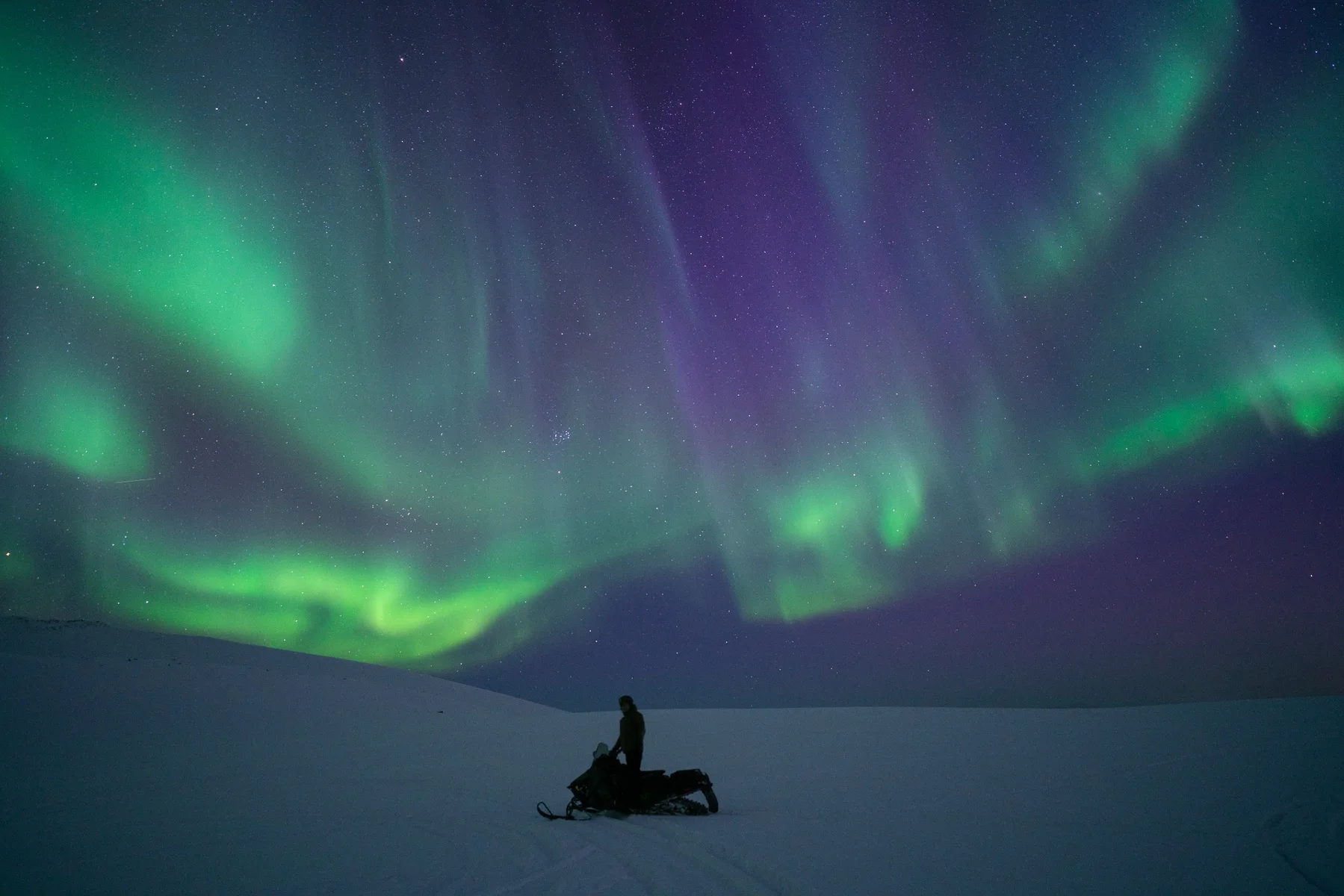
Real photograph of the northern lights glowing above a snowmobile in Svalbard
01 Oct – 28 Feb

Northern Lights Winter

The Arctic's most atmospheric season. Blue twilight fades into polar night, and under clear skies the aurora may appear at almost any hour. Even a short walk can feel extraordinary.

26 OctoberAround the last sunset before the sunless season begins.
14 Nov – 29 JanThe darkest period of the polar night in Longyearbyen.

Expect: northern lights outings, quiet snow-covered landscapes, headlamp walks and truly Arctic darkness. Aurora is a natural phenomenon, never guaranteed.

Explore winter tours →
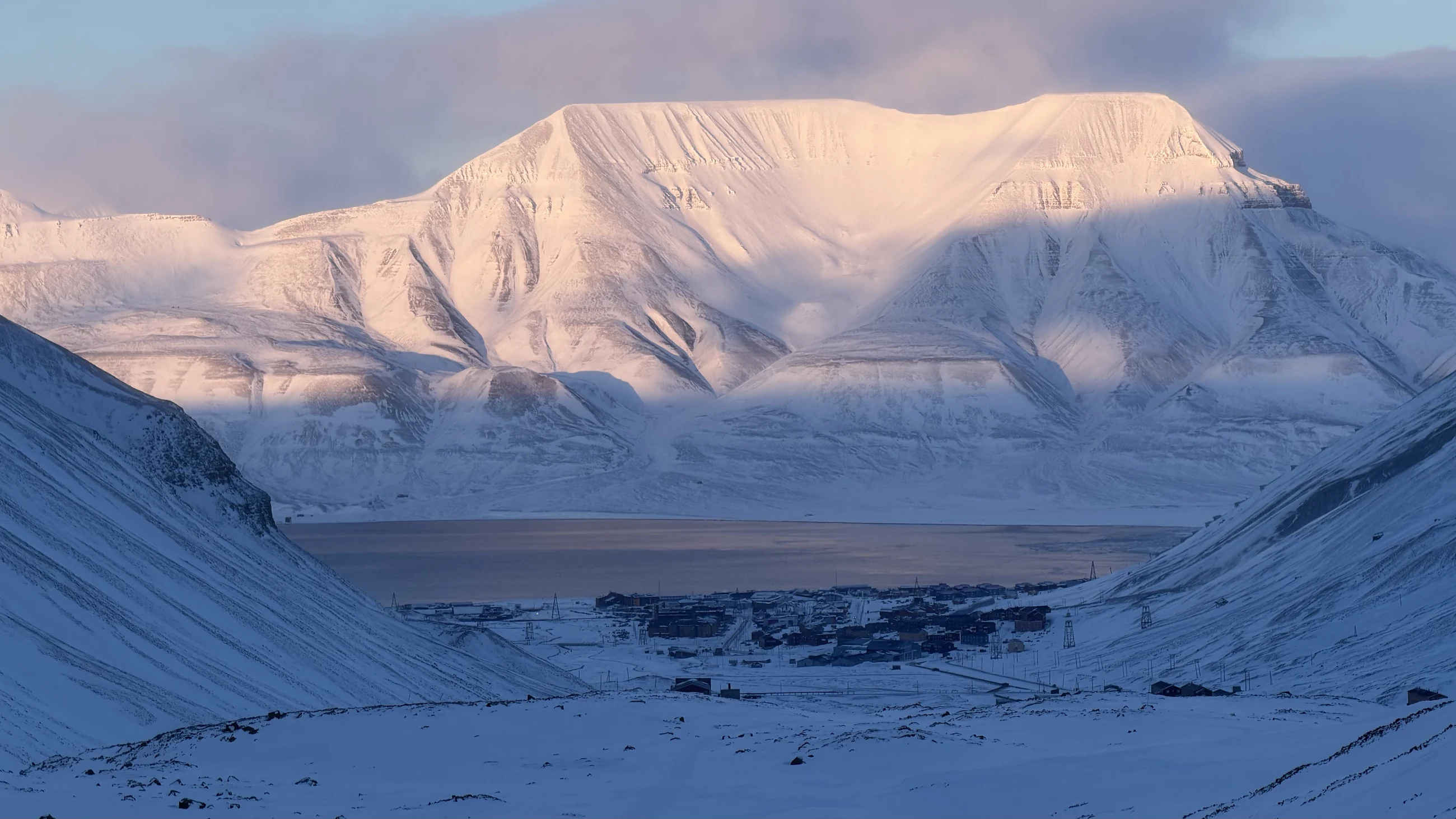
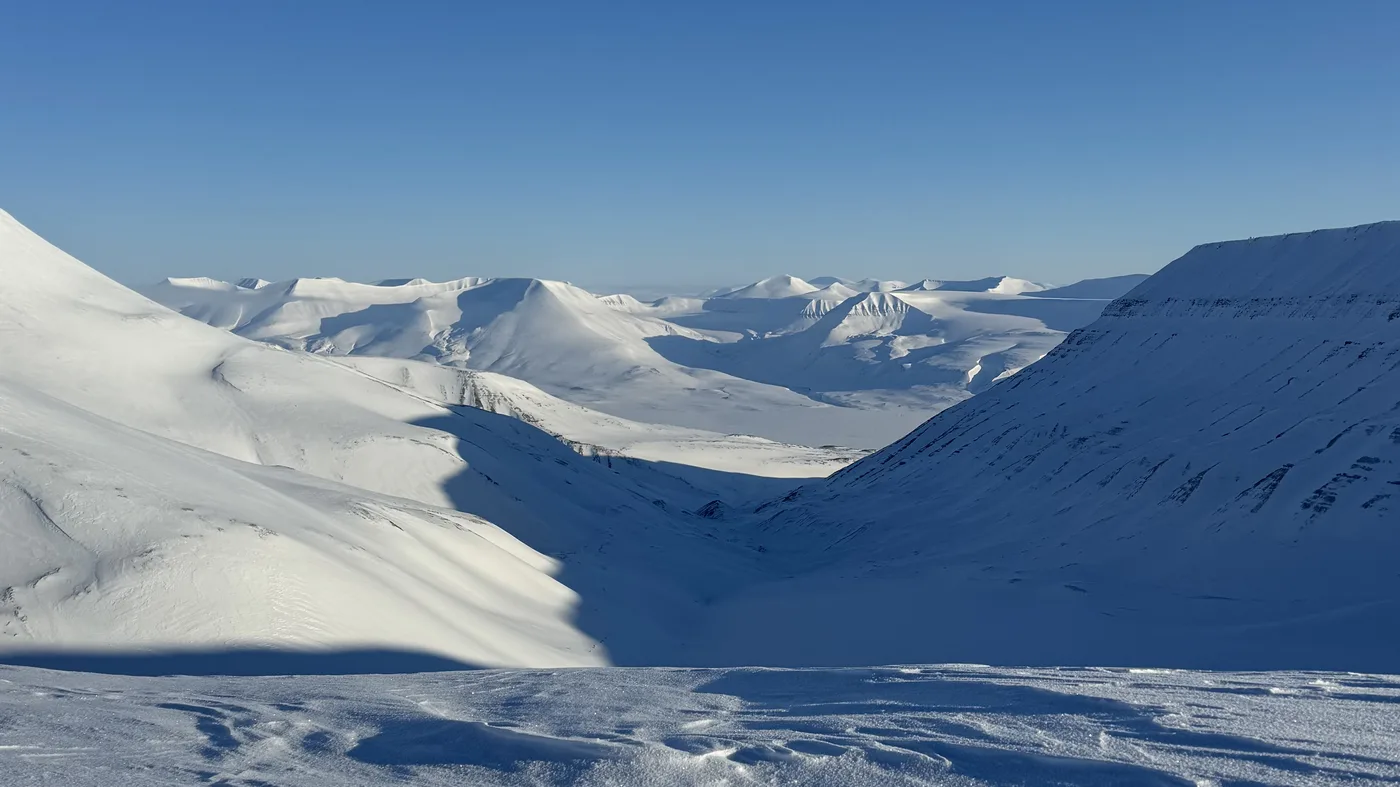
Real photograph of the winter sun returning to Longyearbyen's snowy mountains
01 Mar – 16 May

Sunny Winter

Mountains shine again as the sun returns. Longer, brighter days make this a favourite time for spectacular snowmobile journeys, ice adventures and panoramic winter hikes.

Around 16 FebruaryFirst sunrise above the astronomical horizon after the polar night.
Around 8 MarchDirect sunlight reaches Longyearbyen itself, later than the horizon sunrise because of surrounding mountains.

Expect: brilliant snow, expansive valley views and longer outdoor days. From approximately 19 April, the midnight sun also begins—even while snow may remain.

Explore sunny winter →
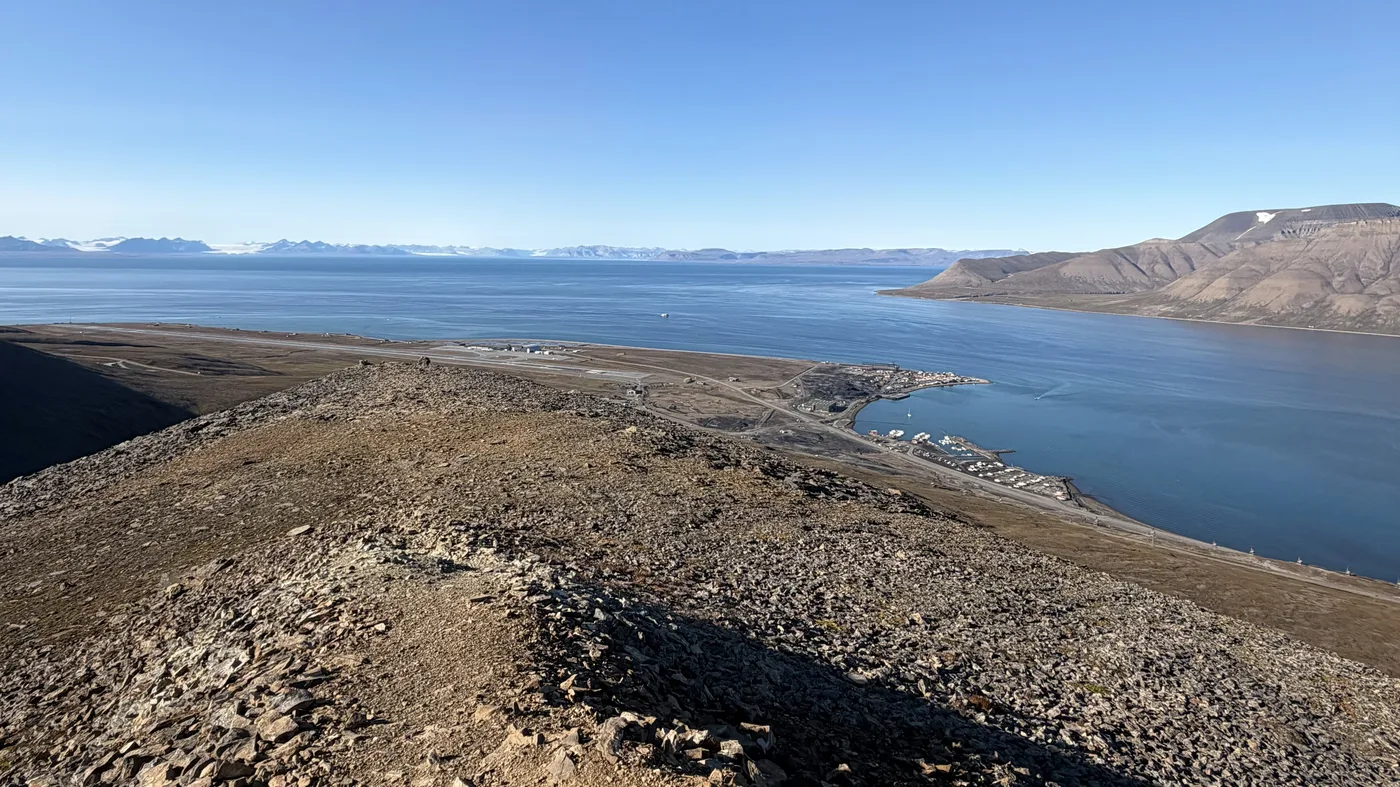
Real photograph of Svalbard's open Arctic landscape during summer
17 May – 30 Sep

Polar Summer

Trade the snowmobile for walking boots. The tundra opens up, migratory birds return, and the valleys become a beautiful setting for hikes, wildlife watching and photography.

19 Apr – 23 AugMidnight sun: the sun stays above the horizon around the clock.
Late August – SeptemberGolden low-angle light and the gradual return of darker evenings.

Expect: guided hiking, fossil discoveries, wildlife observation and long hours of daylight. The weather can still be cold, wet and windy.

Explore summer adventures →

These are Svalbard's travel-season categories; natural light changes continuously, and exact sunrise dates vary slightly by year and location. Season guidance from Visit Svalbard →

Weather & conditions

The Arctic makes the plans.

Weather can change rapidly in any month. Wind, visibility and precipitation often matter just as much as the air temperature. Winter cold can be severe, while a summer day can still feel chilly and exposed.

Summer temperatures are often around 0–10°C. Winter can fall below −30°C. These are general climate descriptions, not a forecast for your travel dates.

We adjust tours to conditions in the field, and a specific route or natural feature cannot be guaranteed. Check the latest forecast before travelling.

Search Longyearbyen on Yr for the latest forecast →
Real photograph showing exposed winter mountains in Svalbard
What to pack

Dress in layers. Stay adaptable.

The key is a system you can adjust as the weather and your activity change. Avoid relying on a single heavy jacket, particularly during active hikes when moisture management matters.

01 · Base layer

  • Wool or moisture-wicking thermal top and leggings
  • Warm wool socks, plus a spare pair
  • Avoid cotton next to your skin in cold conditions

02 · Insulation

  • Wool or fleece mid-layers
  • Insulated jacket for stops and colder days
  • Warm hat, neck protection and spare gloves

03 · Protection

  • Windproof, weatherproof outer layers
  • Sturdy waterproof boots with good grip
  • Suitable mittens and face protection in winter
  • Traction spikes when town streets are icy
Included with your adventures

What Arctic Footsteps provides

We prepare your equipment around the activity so you can concentrate on the experience. Here is what to expect from our guided outings:

Snowmobile tours

  • Guided snowmobile and fuel
  • Insulated thermal suit and winter boots
  • Helmet, mittens and protective goggles as appropriate
  • Driving and safety briefing before departure
  • Hotel pickup in Longyearbyen where included in the tour

Hikes, snowshoe & glacier outings

  • Experienced local guide and route planning
  • Snowshoes, traction spikes or trekking poles when specified for the tour
  • Glacier safety equipment on activities that require it
  • Advice on terrain, conditions and appropriate layers
  • Meeting arrangements and an equipment briefing before the outing

On our guided excursions

  • Guide-carried first-aid, communication and field-safety equipment appropriate to the route
  • Warm drinks and snacks where included in the product
  • Field lunch or warm meal on tours that list one, including our longer winter experiences
  • Local knowledge, small-group guiding and flexible itineraries

You bring: your personal base and insulating layers, warm socks, suitable clothing for the activity, any medication, and a small daypack with water and personal essentials. Bring a driving licence valid in Norway if you plan to drive a snowmobile. Exact equipment, meals and transfers can vary by tour; the individual tour listing and booking confirmation take precedence.

Read Visit Svalbard’s clothing guidance →

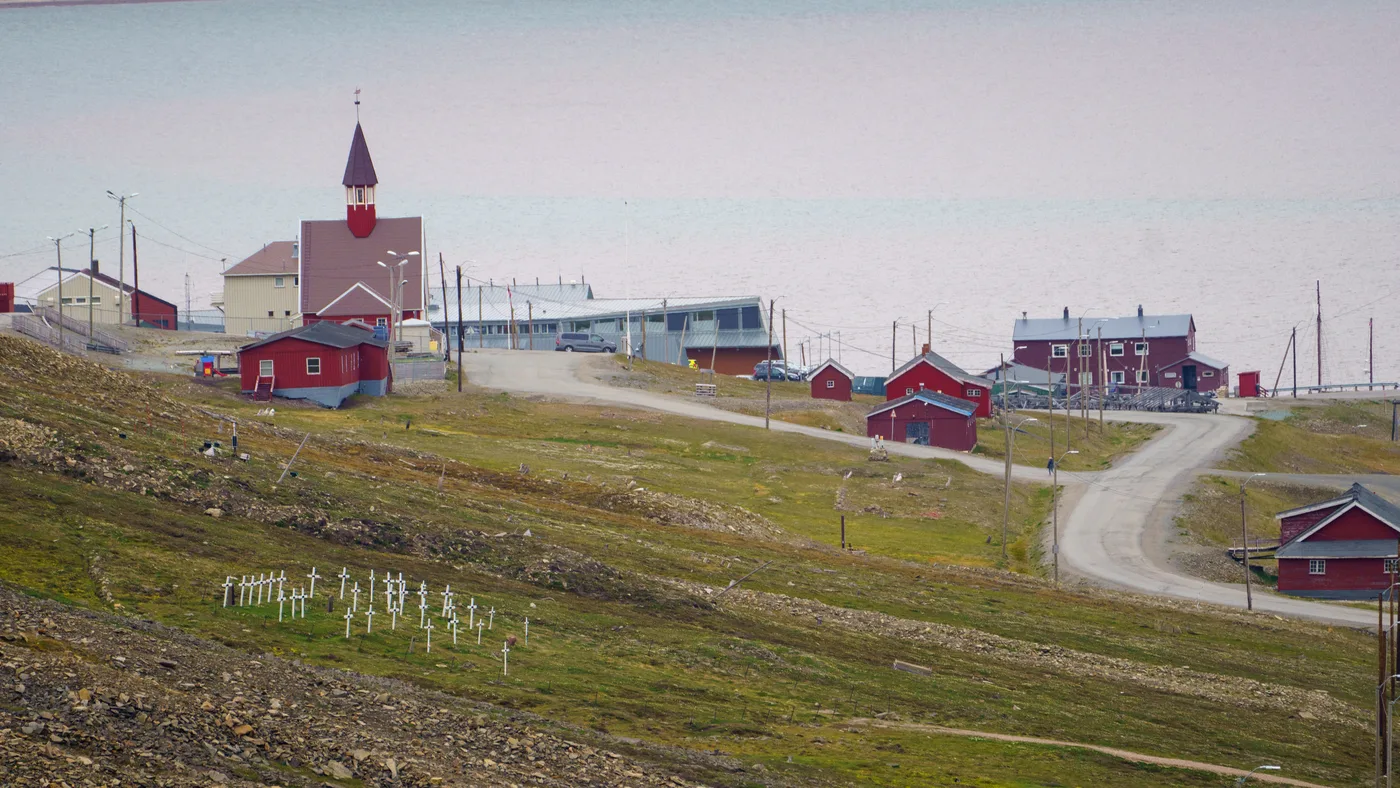
Real photograph of Longyearbyen in Svalbard
Getting here & getting around

A little planning goes a long way.

Scheduled flights reach Svalbard Airport, Longyear (LYR), from Oslo and Tromsø. A direct journey is approximately three hours from Oslo or 1½ hours from Tromsø; some Oslo services stop in Tromsø.

Svalbard is outside the Schengen Area. Bring an accepted passport or national identity document, and check any visa requirements for transiting mainland Norway. Travellers who require a Schengen visa may need permission for multiple entries.

Arrange travel and health insurance that specifically covers Svalbard, including evacuation or transport to the mainland. Coverage during an organised tour does not replace insurance for your whole stay.

Official pre-departure information →

Safety & nature

Respect the place that welcomes you.

Outside inhabited areas, polar bears and other Arctic hazards are real considerations. Never assume the landscape near town is free from risk. Visitors without the appropriate knowledge, equipment and precautions should explore outside settlement limits with qualified local guides.

Keep your distance from wildlife, leave cultural heritage undisturbed and follow the guide’s instructions. Routes may change because of weather, avalanche risk, sea ice, terrain or wildlife.

Read the official Svalbard safety guidance →

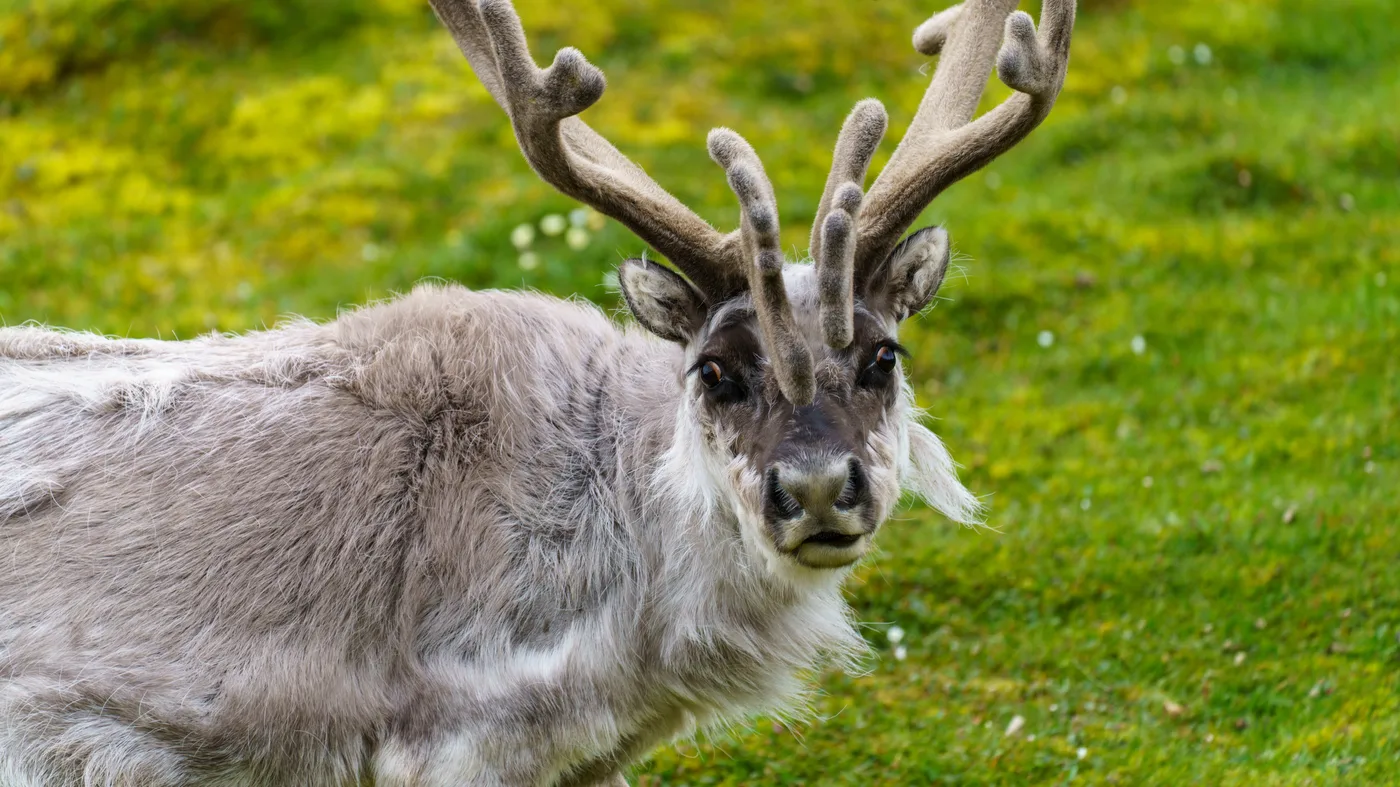
Real photograph of a Svalbard reindeer in its natural habitat
Before you leave home

Your final Arctic checklist.

Ready to explore? Find your Arctic experience →